FSC Chairman's Award at Startup OI #Finance, with KB Kookmin Bank.
Top prize · hosted by D.CAMP & Korea Fintech Center


On what grounds can financial institutions and public agencies entrust tasks and authority to an AI agent? As AI moves from generating answers to acting in real systems, controls designed for answer-generating systems are no longer enough. This article examines the two points where AI agent controls fail and what institutions should verify before adoption.
The Chosun Ilbo covered the fast-growing AI security/guardrail market. Tynapse CEO Min-seung Kang said, “Guardrail AI intentionally lowers creativity to make its judgments more consistent.” As AI grows smarter it becomes easier for it to slip out of control, the piece explains—so guardrail AI specializes purely in oversight, deliberately trading away creativity.
At the Governing AI session of 'AI World 2026,' co-hosted by Financial News and Korea's Ministry of Science and ICT, Tynapse Head of AI Myungsub Choi said that because AI agents can access internal information and customer databases and even send emails, the entire execution path must be verified.
Maeil Business covered the 'K-Startups Going Global' session at the World Knowledge Forum's Korea Conference. Tynapse CEO Min-seung Kang argued that AI is rarely limited by intelligence anymore—the real challenge ahead is how much can safely be delegated to increasingly capable AI, and how to keep it under control.
The Chosun Ilbo covered the fast-growing AI security/guardrail market. Tynapse CEO Min-seung Kang said, “Guardrail AI intentionally lowers creativity to make its judgments more consistent.” As AI grows smarter it becomes easier for it to slip out of control, the piece explains—so guardrail AI specializes purely in oversight, deliberately trading away creativity.

At the Governing AI session of 'AI World 2026,' co-hosted by Financial News and Korea's Ministry of Science and ICT, Tynapse Head of AI Myungsub Choi said that because AI agents can access internal information and customer databases and even send emails, the entire execution path must be verified.
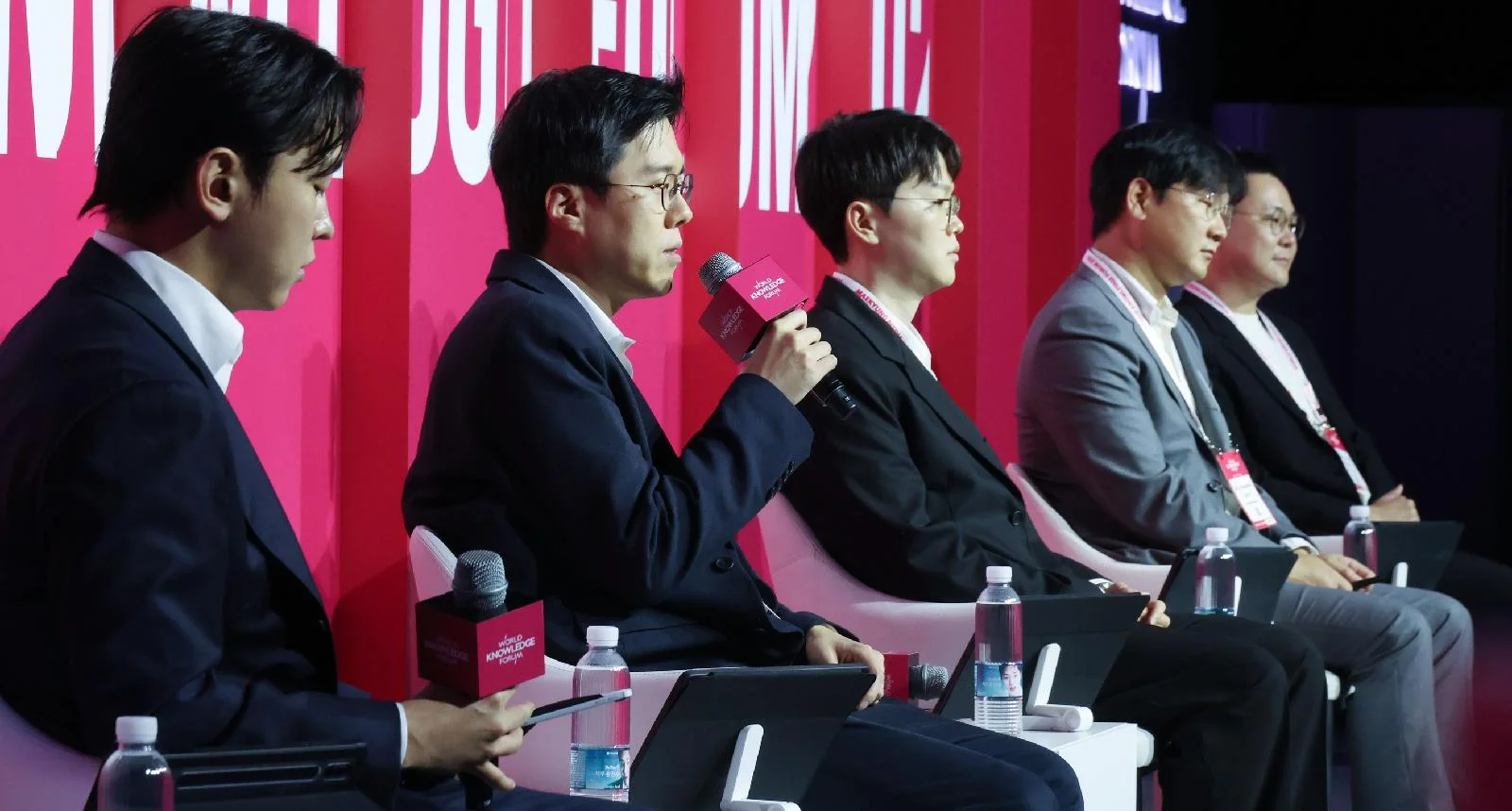
Maeil Business covered the 'K-Startups Going Global' session at the World Knowledge Forum's Korea Conference. Tynapse CEO Min-seung Kang argued that AI is rarely limited by intelligence anymore—the real challenge ahead is how much can safely be delegated to increasingly capable AI, and how to keep it under control.
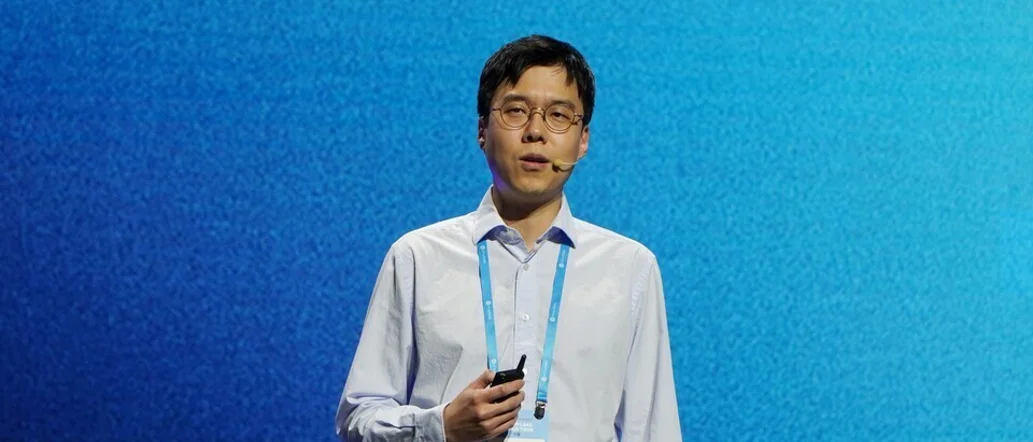
At Snowflake World Tour Seoul 2026, Tynapse CEO Min-seung Kang argued that enterprise AI competitiveness hinges not on model intelligence but on how much of the business can safely be delegated to AI. He outlined a three-tier verification framework—rules, domain-specific AI, and human review—for setting the delegation boundary.
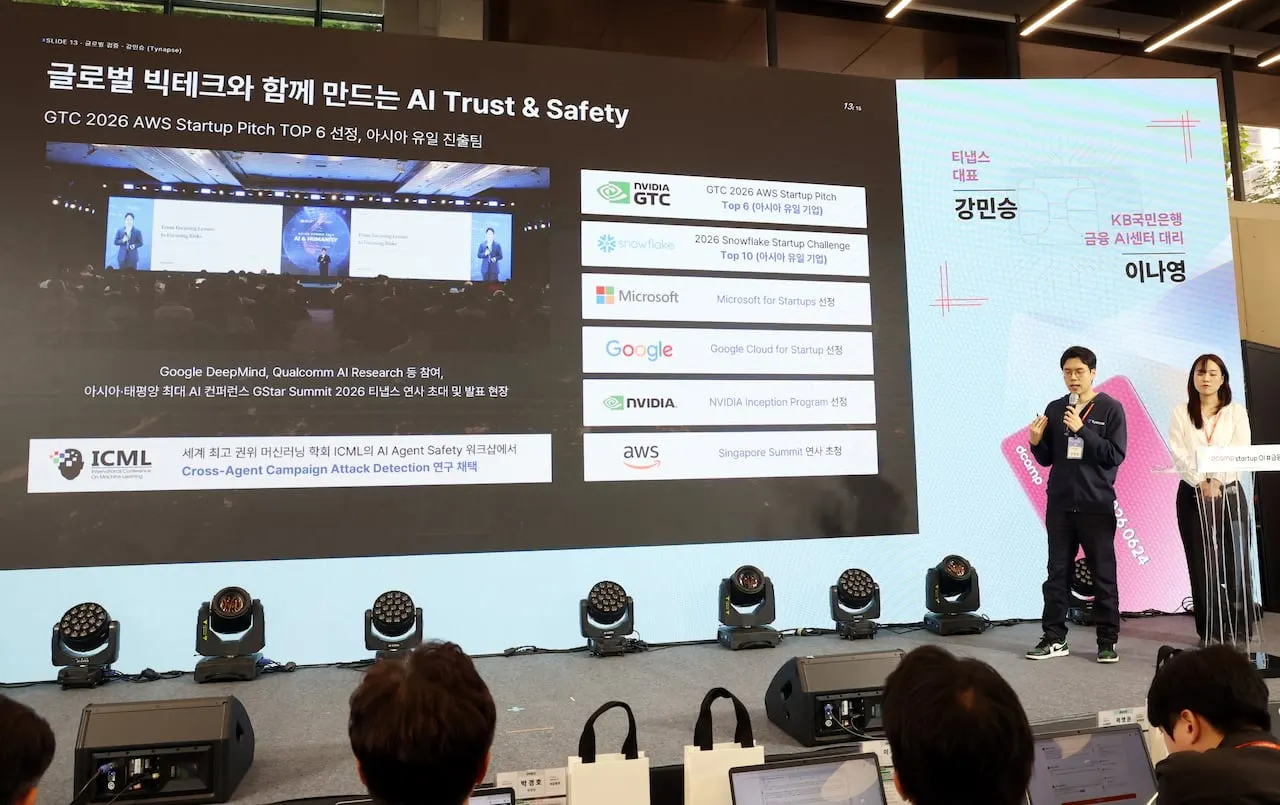
Korea Daily profiled Tynapse ahead of Korea Conference 2026. Founded just over a year ago, Tynapse has raised ₩4.9 billion, earned the FSC Chairman’s Award through a KB Kookmin Bank partnership, and was selected as Asia’s sole entrant in the NVIDIA global startup top 6 and Snowflake Startup Challenge top 10.
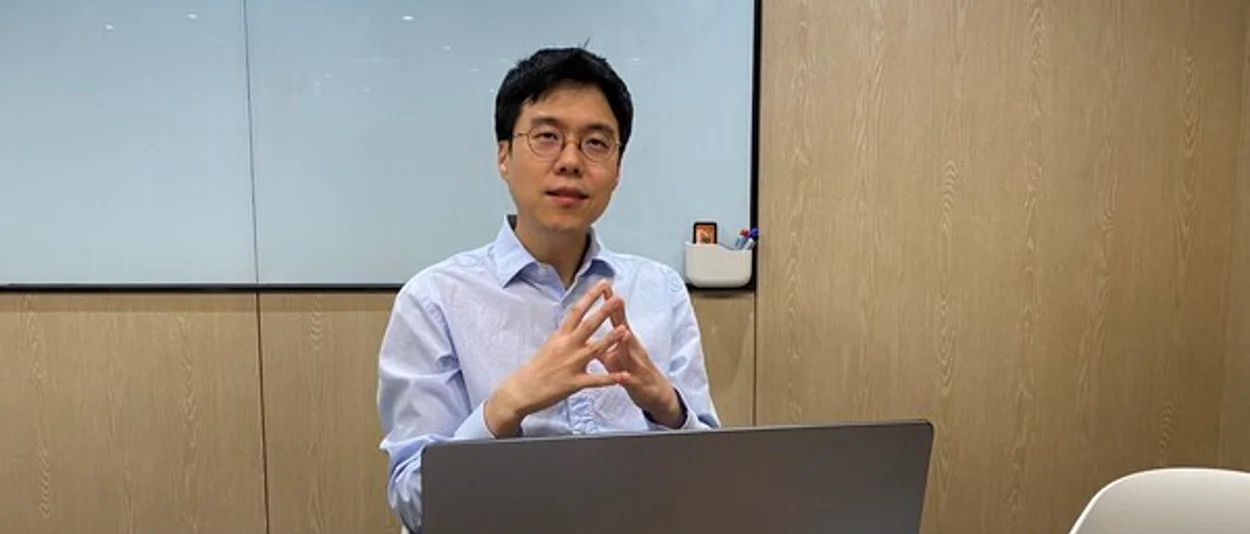
As AI agents evolve into digital employees, Tynapse CEO Min-seung Kang argues that internal control frameworks must extend beyond humans to cover AI. He explains how Tynapse handles both input and output guardrails—including catching errors in normal, non-adversarial AI responses—and why the delegation boundary, not model accuracy, is the key to enterprise AI adoption.
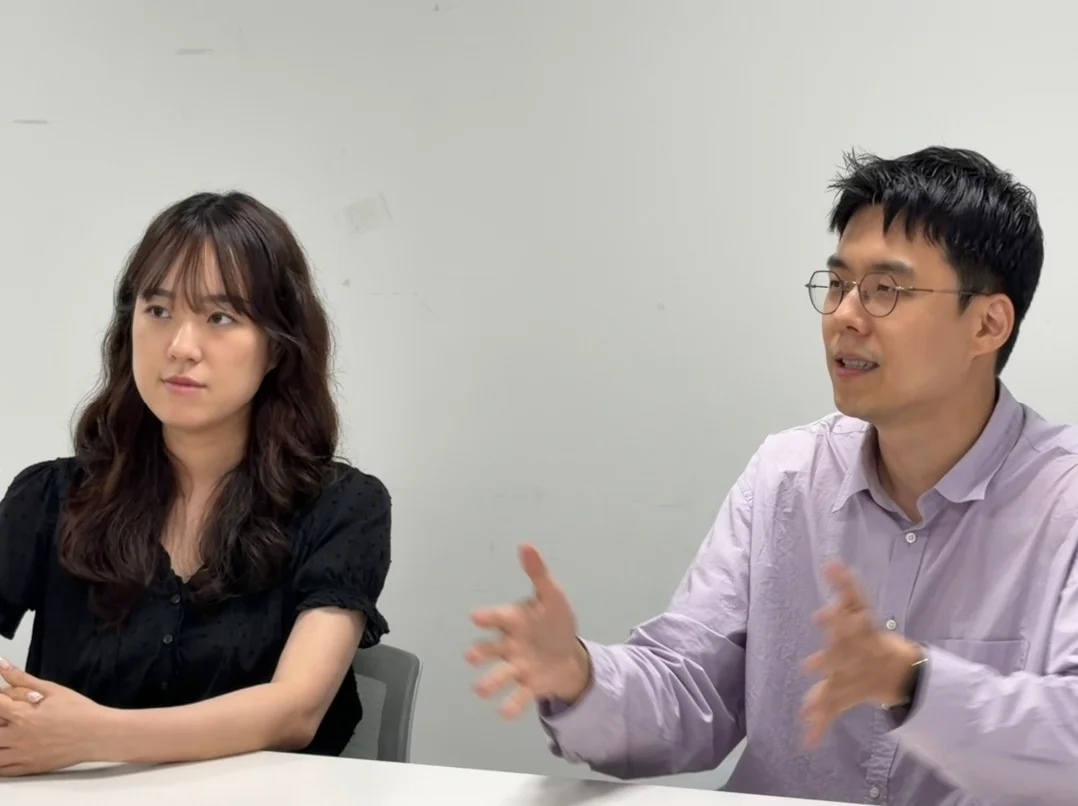
Byline Network traces the KB Kookmin Bank–Tynapse collaboration in depth. Together they built a real-time AI answer verification system tailored to KB’s internal standards, cutting hallucinations by over 90% and earning the FSC Chairman’s Award. The piece covers the full journey from the first PoC pitch to plans for expanding the service to retail banking customers.
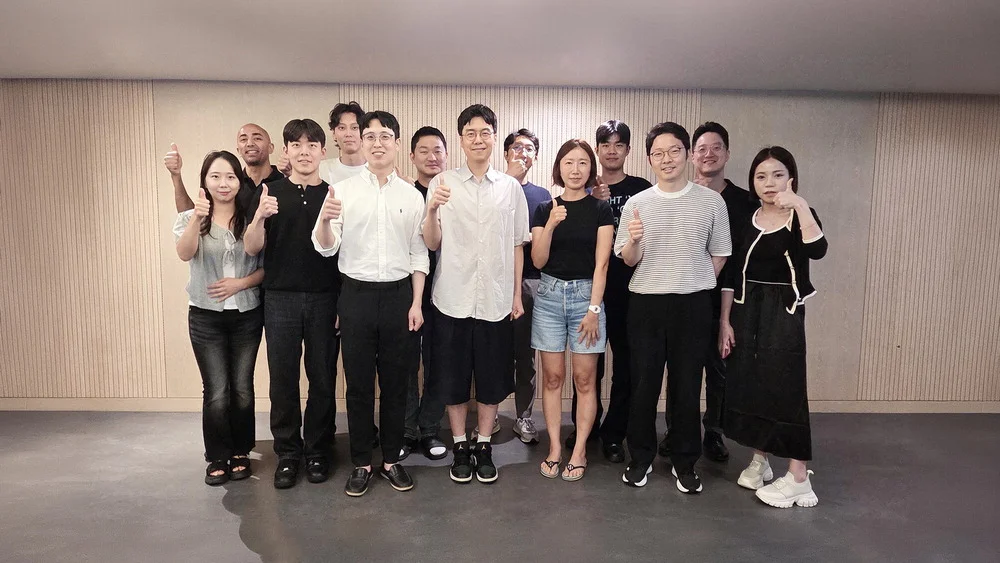
Tynapse received the top prize at the Maeil Business Fintech Awards 2026 for its AI Trust Layer technology. The solution verifies AI inputs and outputs at runtime—blocking hallucinations, data leaks, and prompt injection—while operating in air-gapped environments required by financial institutions and public agencies.
On what grounds can financial institutions and public agencies entrust tasks and authority to an AI agent? As AI moves from generating answers to acting in real systems, controls designed for answer-generating systems are no longer enough. This article examines the two points where AI agent controls fail and what institutions should verify before adoption.
From team formation to enterprise validation - capital, customers and recognition.
Top prize · hosted by D.CAMP & Korea Fintech Center
Accelerate your AI roadmap with confidence. Our team works with enterprise, finance and public-sector teams to deploy the Trust Layer in weeks - not quarters.
Get in touch